Events
Spring Festival 2025
Day One


Rush-hour concert
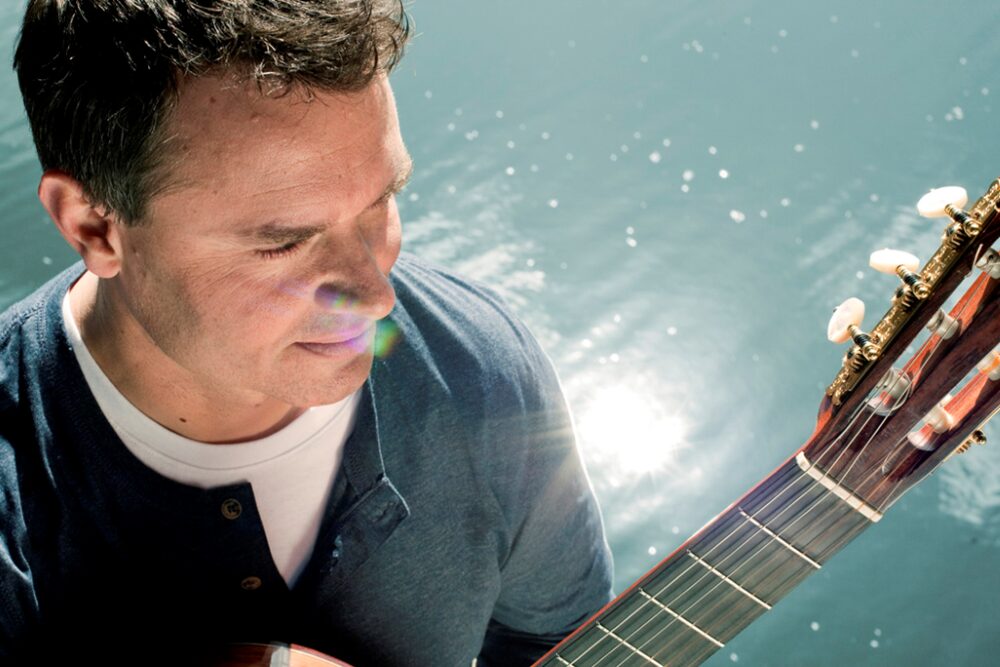
Borne: Carmen Fantasy | Tárrega: Capricho árabe | Rodrigo: 3 Piezas Españolas | Shostakovich: Spanish Songs | Ravel: Don Quichotte à Dulcinée
A Spanish feast launches this year’s festival! Renowned guitarist Craig Ogden conjures up Iberian scenes from fandango to pensive passacaglia in music by Rodrigo – best known for his Concierto de Aranjuez, but here in intimate mode.
Meanwhile celebrated bass-baritone Ashley Riches paints Spain through the lens of two composers whose anniversaries fall this year: Shostakovich in folksong, and Ravel in irreverent settings of the Don Quixote tale, from romance to drinking song. Bizet’s much-loved Spanish melodies from the opera Carmen are reworked into flute fireworks to kickstart the festival. Mucho gusto!
“The fine Ashley Riches … a thrilling experience” (The Telegraph)
Craig Ogden (guitar) | Ashley Riches (bass-baritone) | Fiona Colville (flute) | Libby Burgess (piano)
Evening concert
Copland: Appalachian Spring | Dring: Festival Scherzo | McDowall: The night trumpeter | Martinů: Les rondes | Strauss (arr. Schoenberg): Kaiserwalzer | Bernstein (arr. Penaforte): Somewhere | Songs by Copland, Price, Barber
Copland’s evocative Appalachian Spring – sweeping American plains and heart-warming folkdances – forms the centrepiece of this star-studded evening concert. Trumpeter Matilda Lloyd is at the fore in Cecilia McDowall’s The Night Trumpeter – inspired by Rose Tremain’s novel, Music and Silence – while festival favourite Martin Roscoe takes centre stage in Madeleine Dring’s rumbunctious Festival Scherzo, and Mary Bevan MBE in American gems.
The festival collective includes clarinettist Julian Bliss, oboist Olivier Stankiewicz, violinist Charlotte Scott and cellist Jonathan Aasgaard: this spectacular team joins forces for an eclectic programme ranging from Czech composer Martinů – whose vivacious Les rondes harks back to his childhood in a bell tower – to the Kaiserwalzer of Johann Strauss II, a charming staple of the Vienna New Year’s Day Concert.
Charlotte Scott (violin) | Martyn Jackson (violin) | Jamie Campbell (violin) | Jane Atkins (viola) | Meghan Cassidy (viola) | Jonathan Aasgaard (cello) | Tim Lowe (cello) | Alexander Jones (double bass) | Fiona Colville (flute) | Olivier Stankiewicz (oboe) | Julian Bliss (clarinet) | Emily Hultmark (bassoon) | Libby Burgess (piano) | Martin Roscoe (piano) | Mary Bevan MBE (soprano)
Coffee concert
Handel: Oboe sonata in C minor | Beach: Three Browning Songs | Vaughan Williams: Blake Songs (extracts) | Britten: Songs & Proverbs of William Blake | Songs by Quilter, Clarke, William Lloyd Webber
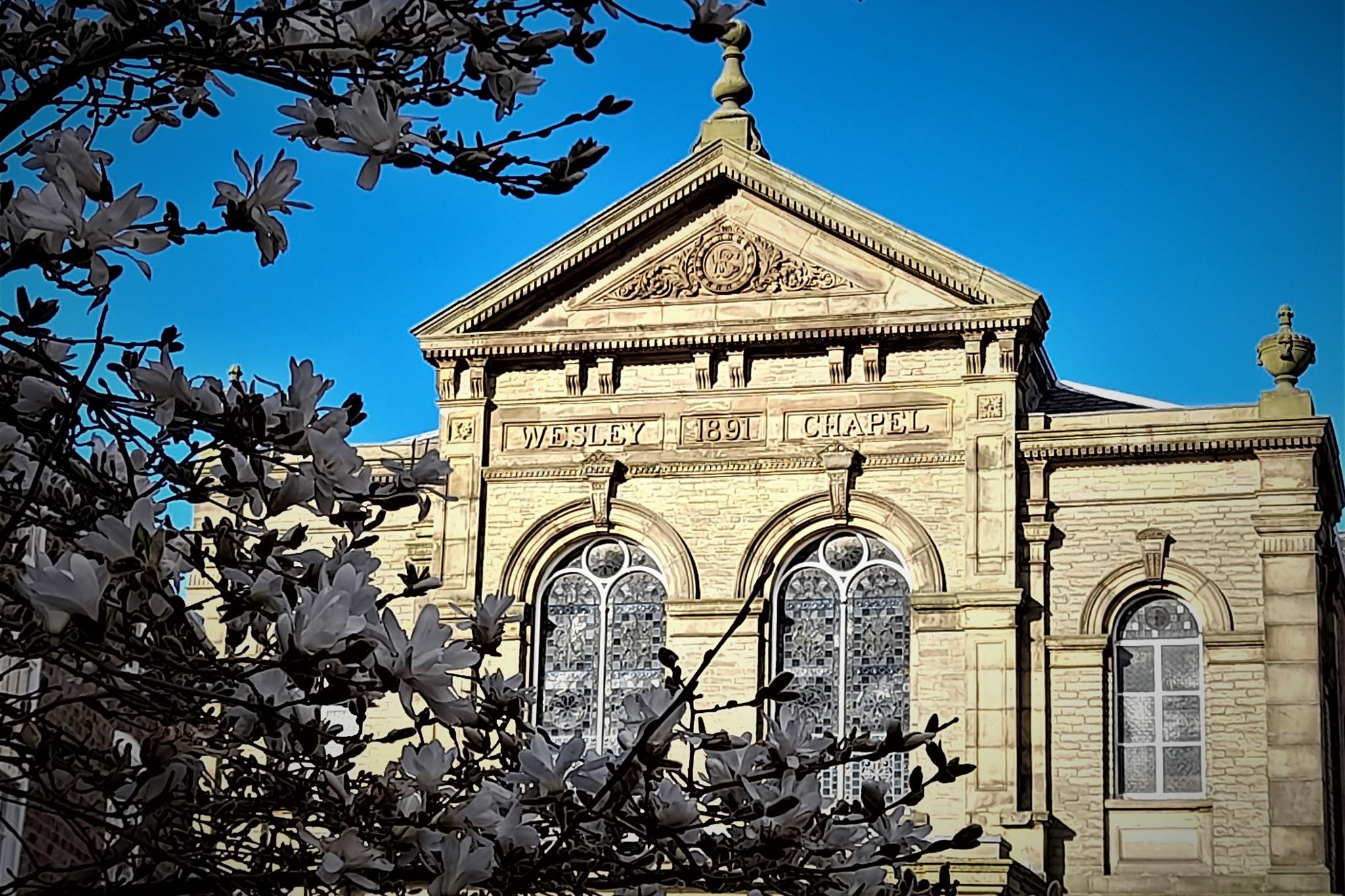
The most famous woman ever to have lived in Beverley, rights activist, writer, philosopher and feminist Mary Wollstonecraft spent her formative years on the cobbled street of Highgate. This morning’s concert explores the circle of poets who moved around her: William Blake, who illustrated Wollstonecraft’s work; Percy Bysshe Shelley, who married Wollstoncraft’s daughter; and the Barrett Brownings.
Fresh from the stages of English National Opera and Teatro dell’Opera in Rome, soprano Mary Bevan MBE joins Artistic Director Libby Burgess in settings of their words by Amy Beach and Roger Quilter, and joins London Symphony Orchestra’s principal oboist Olivier Stankiewicz in songs by Vaughan Williams. Bass-baritone Ashley Riches presents Britten’s intense settings of Blake’s songs and proverbs, written for the singer Dietrich Fischer-Dieskau.
Music by Handel, who died the year Wollstonecraft was born, sets the scene for her world.
Mary Bevan MBE (soprano) | Ashley Riches (bass-baritone) | Olivier Stankiewicz (oboe) | Libby Burgess (piano)
Talk
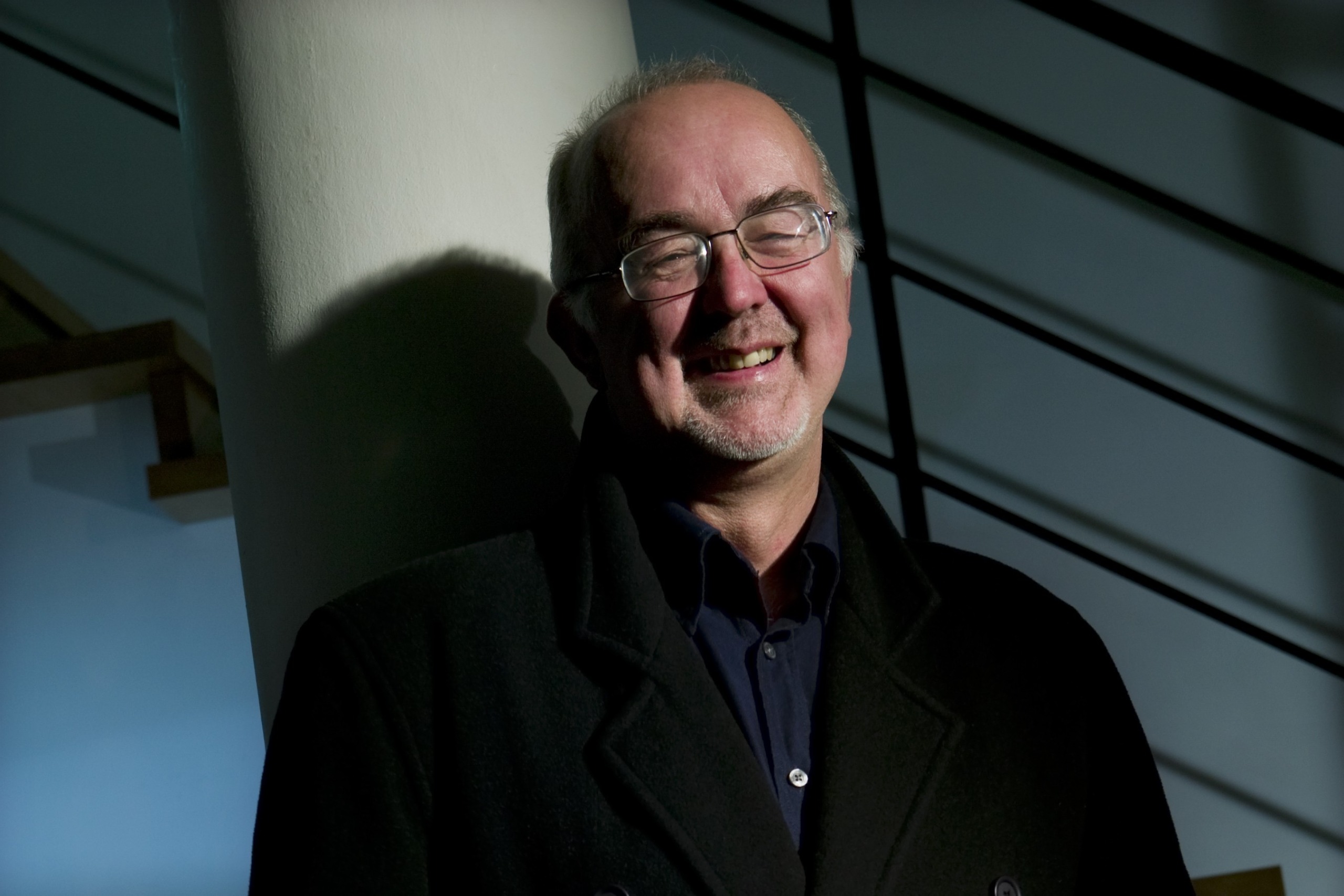
With an extraordinary, illustrious career spanning over five decades, Martin Roscoe is indisputably one of the UK’s best-loved pianists. Having made over 600 broadcasts, including seven BBC Prom appearances, he is one of the most regularly played pianists on BBC Radio 3.
Martin is particularly known and loved in Beverley: he was the founding Artistic Director of the Beverley Chamber Music Festival, which ran from 1993 until it merged with New Paths, and as such has played hundreds of concerts with countless household names in the East Riding.
Here he speaks about his life and career, his views on music and the world, his relationship with Beverley, the Schubert sonatas which he is playing this week, and doubtless more besides!
Entry is free but we recommend you reserve a place in advance to be sure of a space.
Rush-hour concert
Ulysses Kay: Tromba | Paul Hindemith: Sonata | George Gershwin (arr. Dokshitzer): Three Preludes | Alan Hovhaness: Prayer of St Gregory | Leroy Anderson: Trumpeter’s Lullaby | Leonard Bernstein: Rondo for Lifey
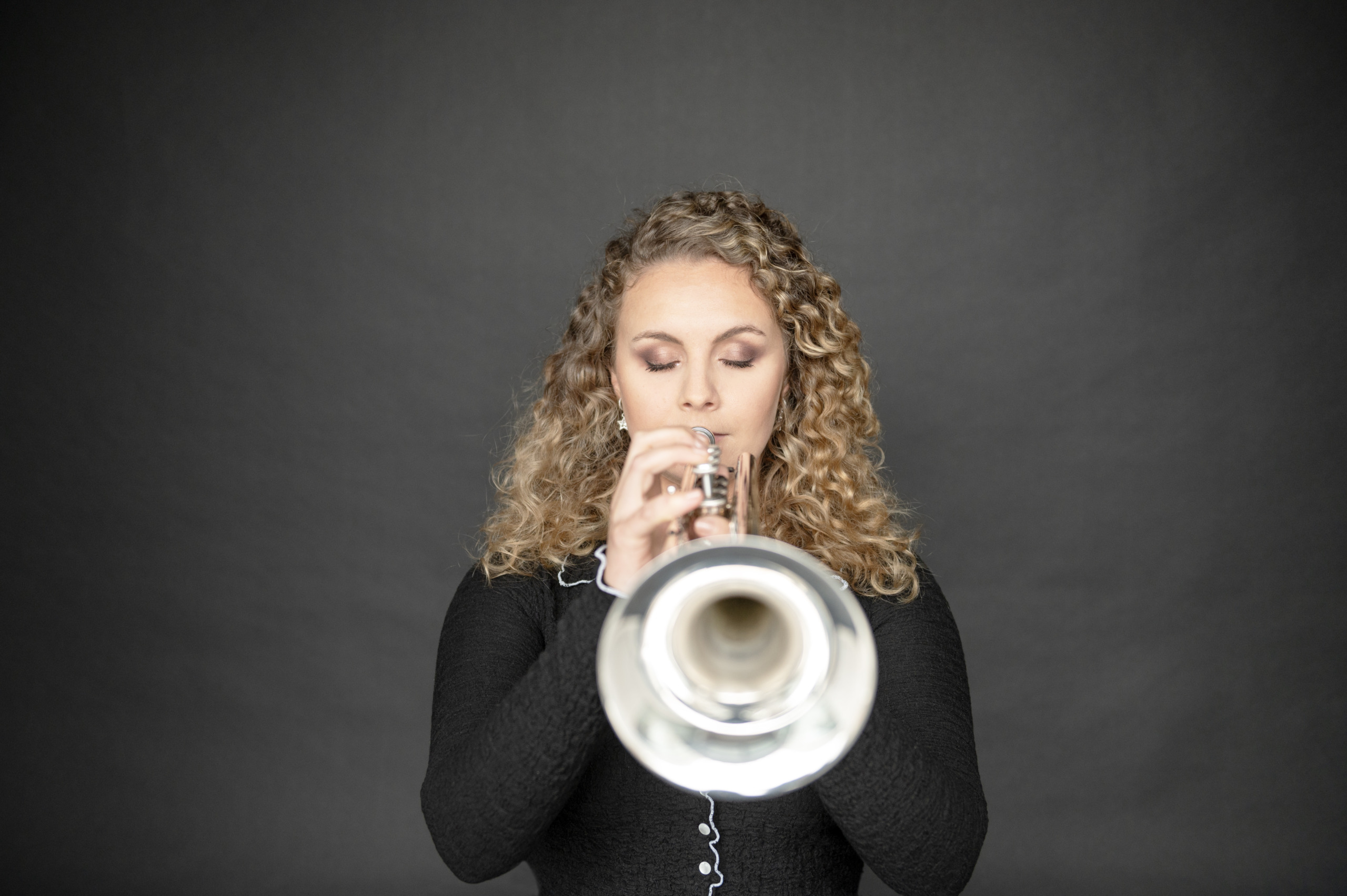
The first of our Spotlight concerts features star trumpeter Matilda Lloyd, in a programme which builds on the American landscape of yesterday’s concert.
In exile in 1939, watching events unfold in his native Germany, Hindemith wrote a trumpet sonata of protest and lamentation. The emotional heart of the piece is its bleak final movement, solemnly intoning the chorale-theme Alle Menschen müssen sterben (‘all men must die’).
Built around this is a programme of music by Hindemith’s students and colleagues at the great American creative cauldron, Tanglewood. Tromba by Ulysses Kay, first black winner of the Prix de Rome, sits alongside music by Leroy Anderson, George Gershwin, and Leonard Bernstein.
“Lloyd plays with intense expression and immense warmth” (★★★★★ BBC Music Magazine)
Matilda Lloyd (trumpet) | Libby Burgess (piano)
Evening concert
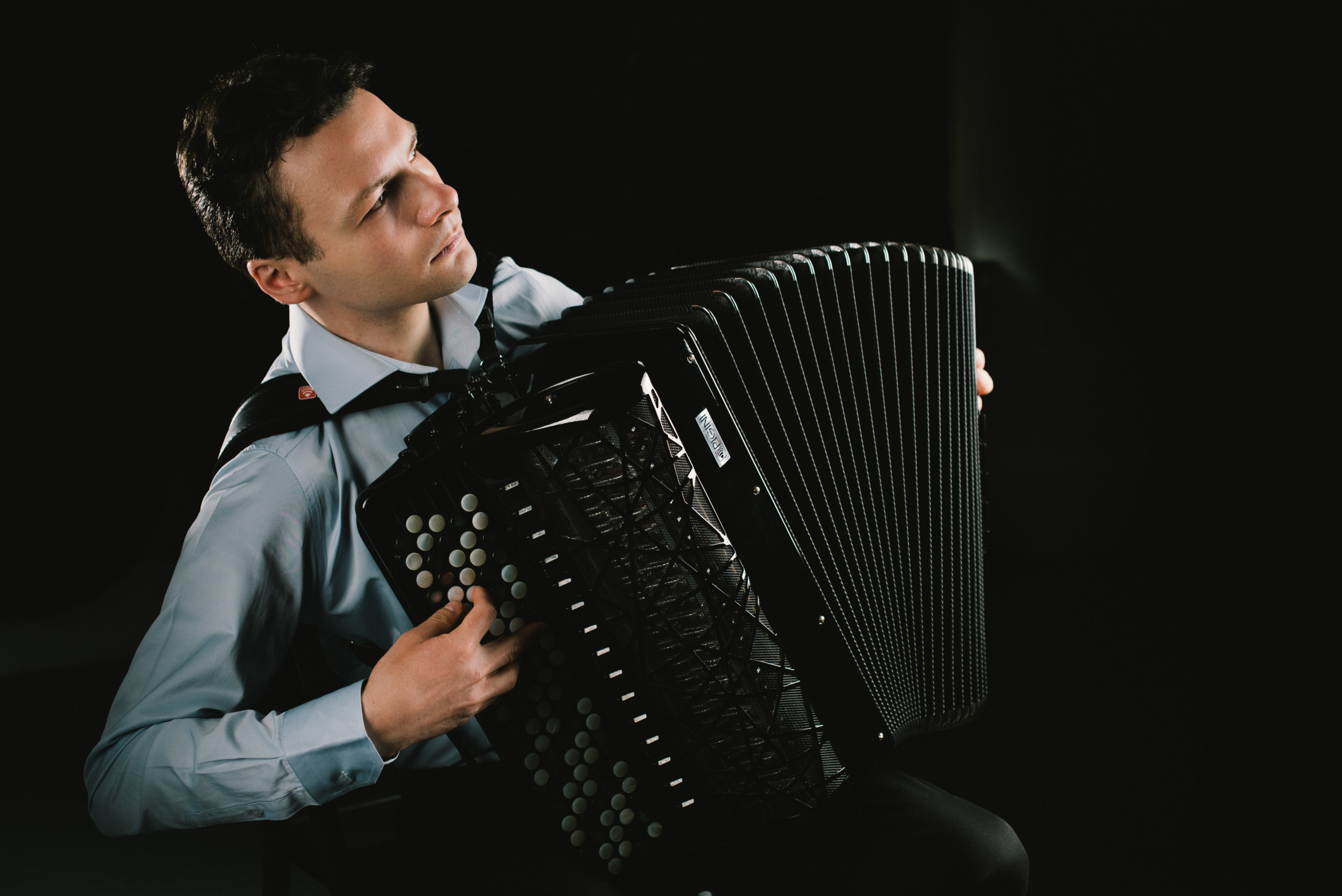
Bach: Ich ruf zu dir, Herr Jesu Christ | Scarlatti: Sonata in D minor & Sonata in F major | Piazzolla: Adiós Nonino | Angelis: Interieur | Albéniz: Asturias | Sarasate: Introduction and Tarantella
Award-winning Serbian-born Miloš Milivojević is one of the most exciting classical accordionists around today. In this characteristically versatile programme he moves from transcriptions of Bach and Scarlatti – cast in a new light with the distinctive sound of the accordion – to the Iberian coastline of Asturias and virtuosic Spanish showpieces. Piazzolla’s Adiós Nonino, written in memory of his father, and the atmospheric Interieur by Angelis complete this compelling programme, in the popular setting of the East Riding Theatre.
“A hurricane of imaginative invention” (The Times, on Miloš Milivojević)
Miloš Milivojević (accordion)
Late night
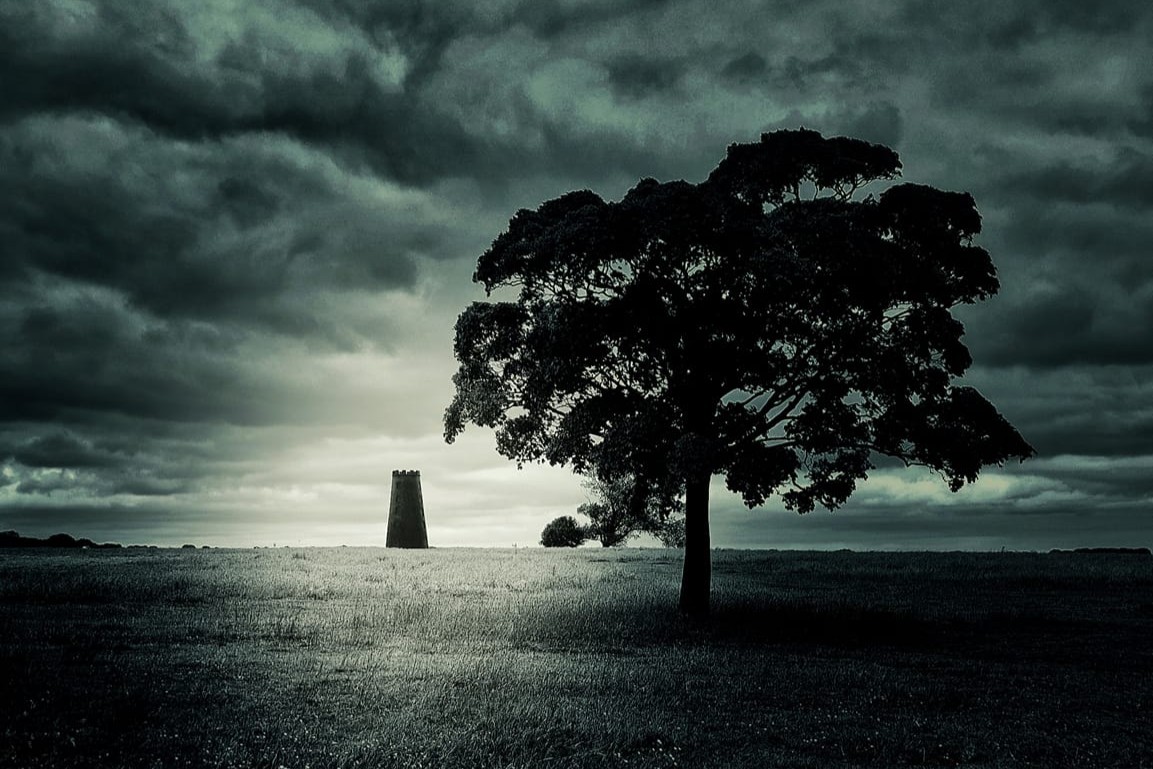
Suk: Meditation on St Wenceslas | Bach: Liebster Jesu mein Verlangen | Vasks: Lonely Angel | Albinoni: Adagio from Oboe concerto D minor | William Lloyd Webber: The Moon
‘The angel hovers over the world observing the state of the ravaged Earth with tears in his eyes, and yet an almost imperceptible, loving touch of his wings brings comfort and healing.’
So wrote Pēteris Vasks of his image for Lonely Angel, the haunting violin concerto which forms the centrepiece of this late-night chamber orchestra programme – featuring much-loved festival violinist Jamie Campbell as soloist. Our handpicked festival string team gives nocturnal miniatures by George Walker, Dorothy Howell and William Lloyd Webber, and soprano Mary Bevan MBE and oboist Oliver Stankiewicz join the cast for ravishing music by Albinoni and Bach.
The atmosphere of the stunning medieval Minster building late at night is unbeatable, and this is sure to be a performance to remember. The concert finishes in time for last orders at the Monks!
Organ event
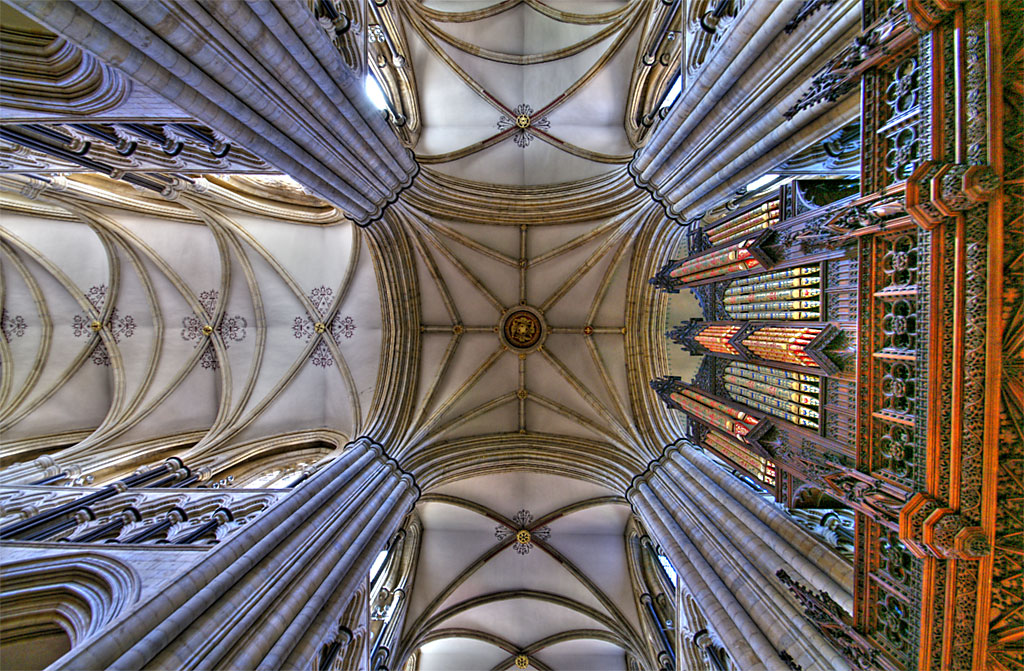
Students of the Royal Birmingham Conservatoire compete for the prestigious Dame Gillian Weir Messiaen Prize, in the second year of New Paths’ partnership with the institution’s outstanding organ department. Three finalists each perform a 20-minute programme on the Minster’s mighty Snetzler organ; form your own opinions on who should win, and then hear the public adjudication from our panel of experts.
Stay on for a soup lunch at 11.45am and the lunchtime concert at 12.30pm.
Family event
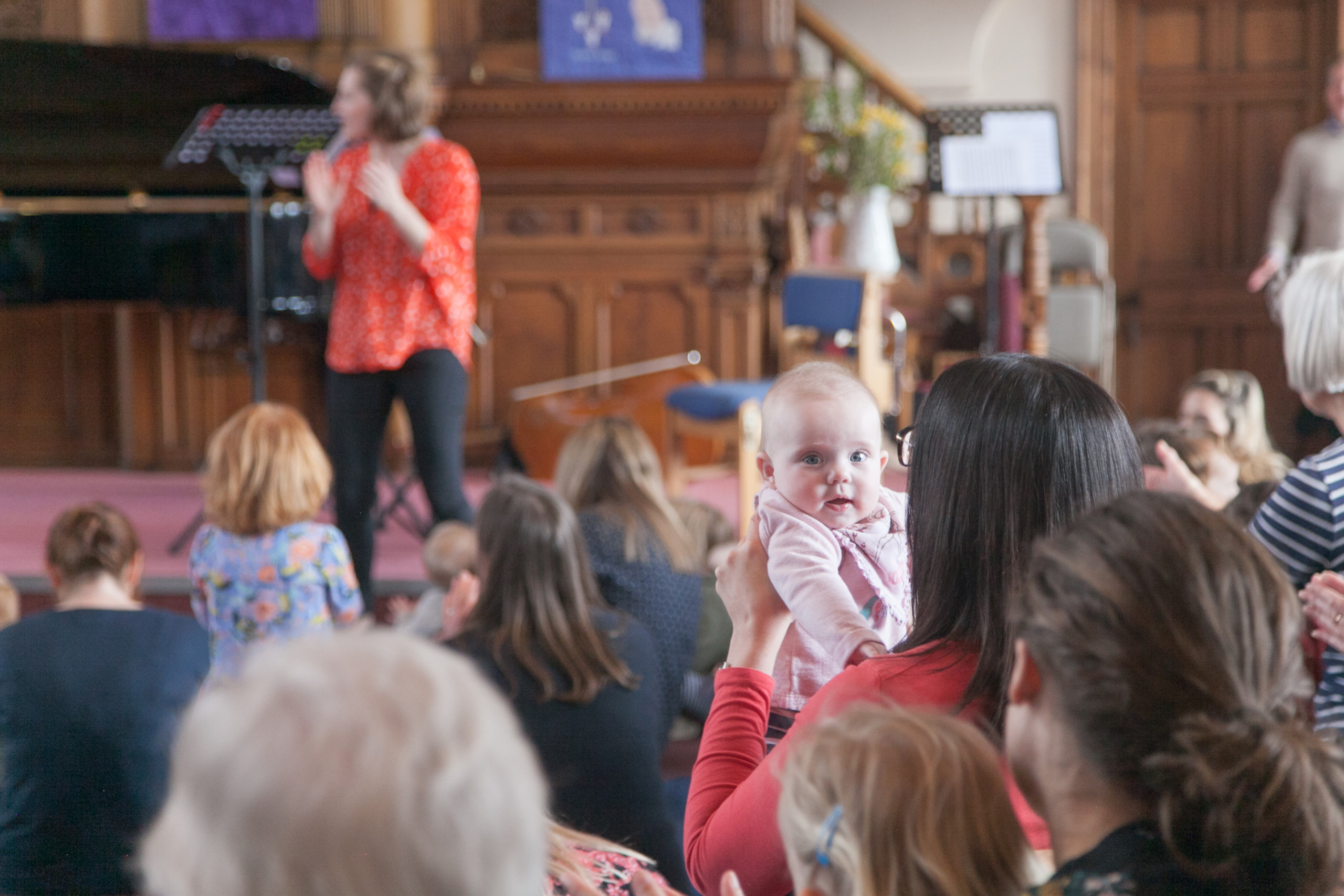
Our concerts for preschoolers and their grownups are a highlight of every festival! A chance for our youngest audience members to hear engaging, accessible performances up close. Singing, dancing, crying, feeding all welcome!
Entry is free but we recommend you reserve a place in advance to be sure of a space.
Lunchtime concert
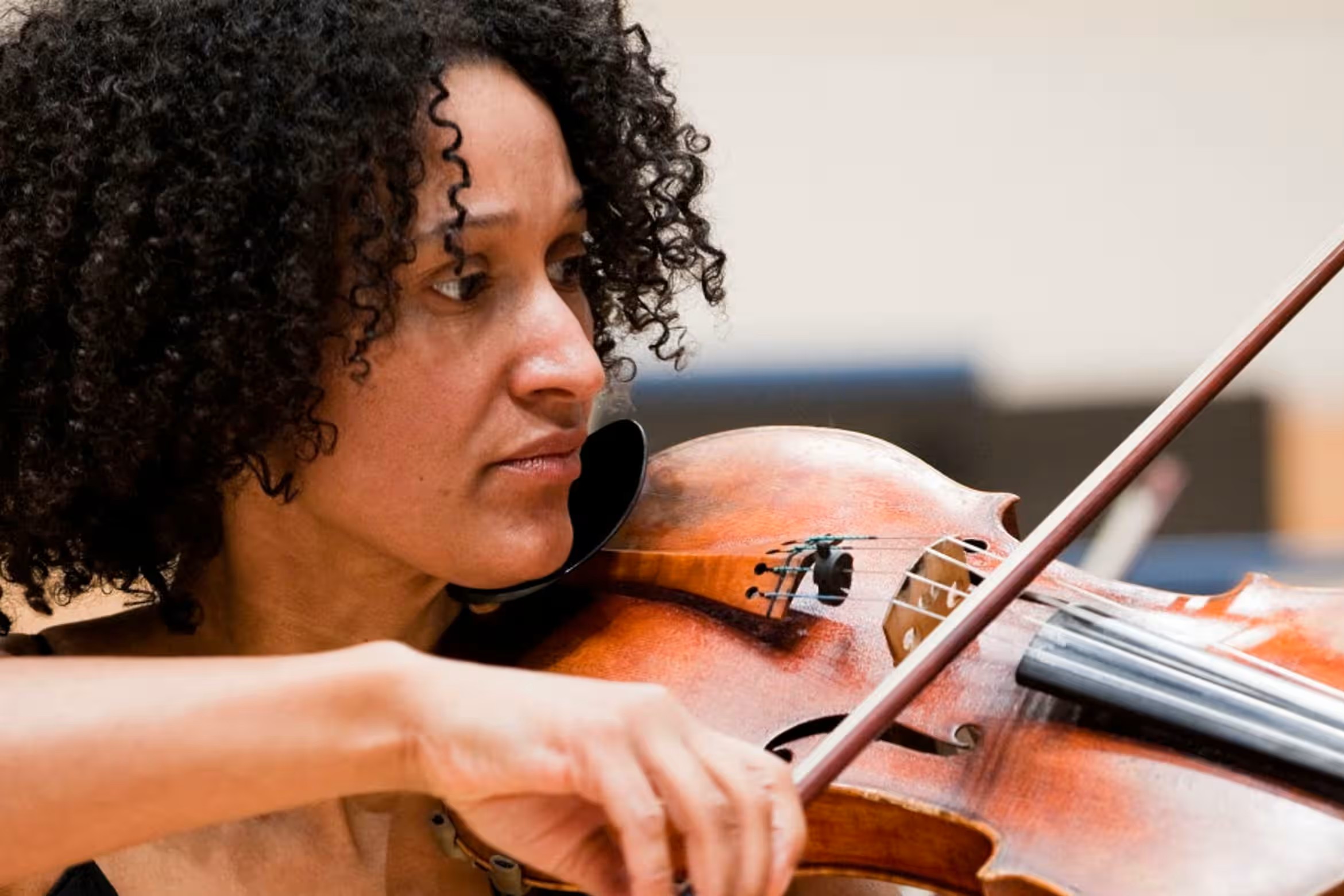
Flackton: Sonata in G (1st & 2nd mvts) | Dring: Trio for flute, oboe and piano (2nd mvt) | Holst: Terzetto | Clarke: Dumka | Vaughan Williams: Six Studies in English Folksong
From the eighteenth-century elegance of William Flackton’s viola sonata, to the serene central movement of Madeleine Dring’s 1960s Trio for flute, oboe and piano, this sunny free lunchtime performance takes a journey through gems of English chamber music, in the hands of a team of world-class players.
In the virtuosic violin and viola showpiece Dumka, Rebecca Clarke channels the Slavic gypsy roots of the title; in Vaughan Williams’ arrangements of folksongs, we could be nowhere but England.
This concert is part of the Minster’s weekly recital series: soup and drinks are available to purchase from 11.45am, catered by students from the East Riding College.
Fiona Colville (flute) | Olivier Stankiewicz (oboe) | Jane Atkins (viola) | Jamie Campbell (violin) | Libby Burgess (piano)
Schubert Triptych
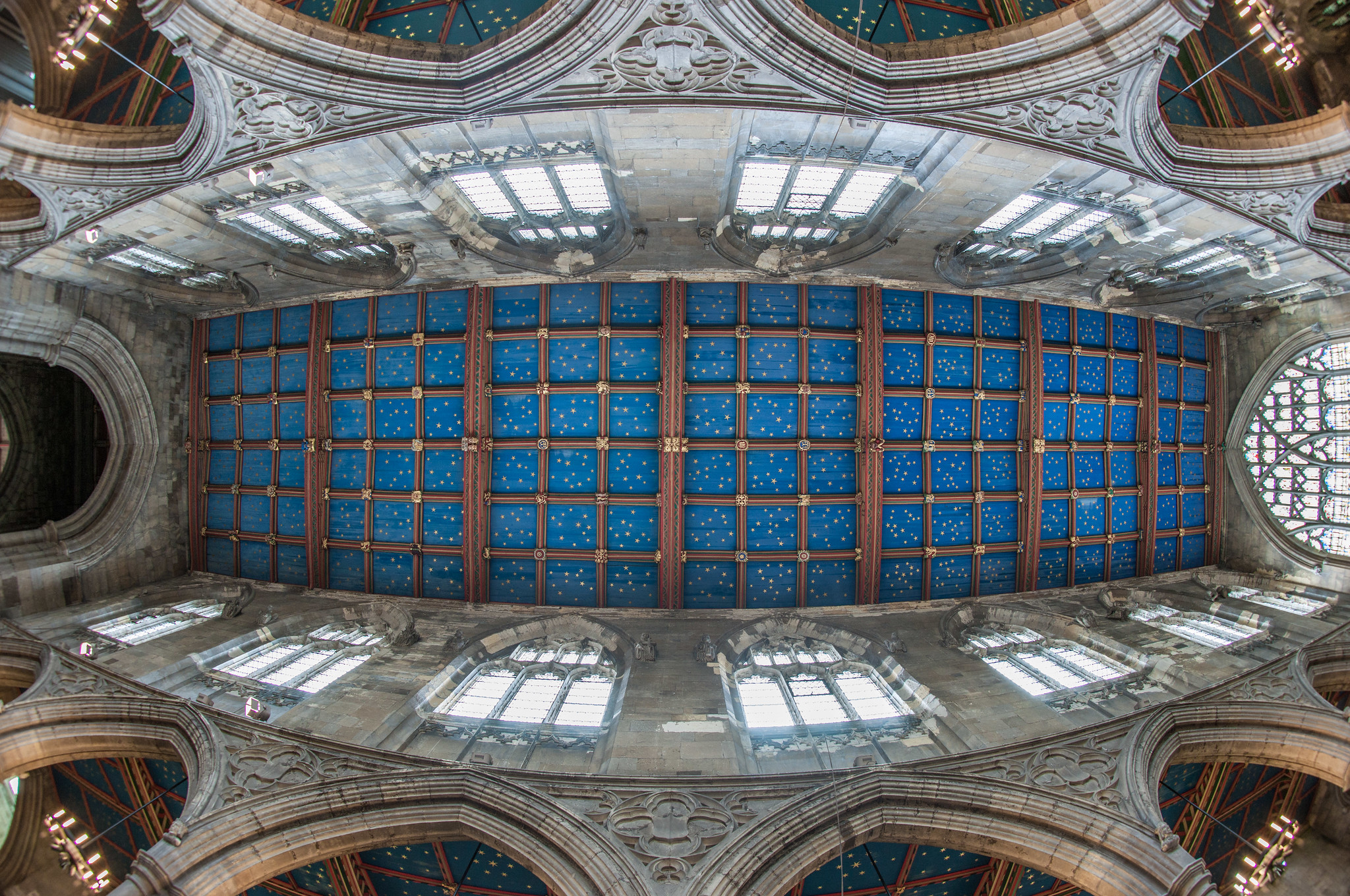
Schubert: Sonata in C minor D958
Across three days of the festival, distinguished pianist Martin Roscoe takes us through a Schubert Triptych, performing the great three last piano sonatas by Schubert, in three different venues. Schubert’s outpouring of music in the last months of his life was astonishing by any measure – not just for its quantity, but for its depth and intensity.
Buy a Schubert pass and join us for the whole of this special journey.
Martin Roscoe (piano)
Rush-hour concert
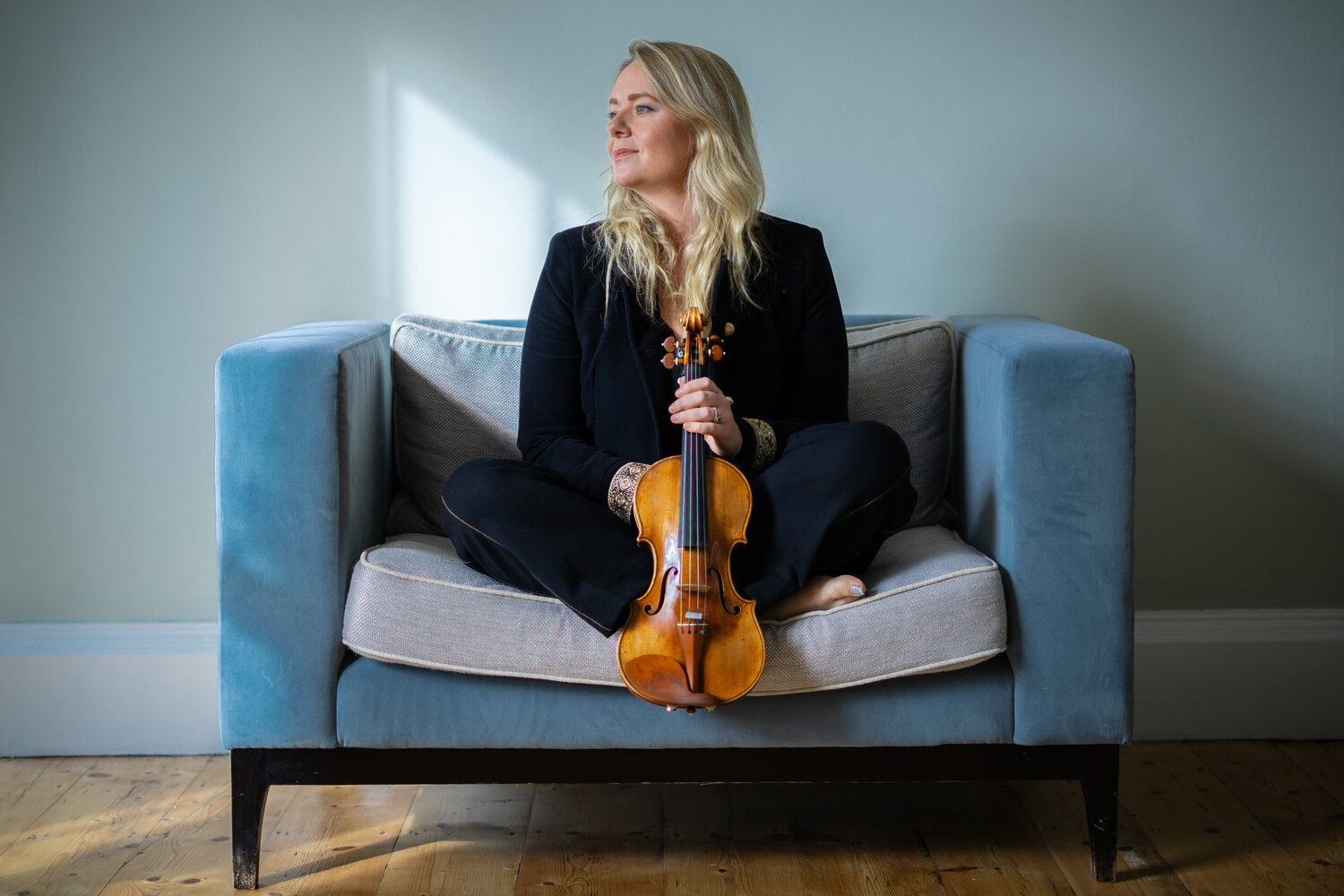
Howell: Phantasy | Elgar: Violin Sonata
Charlotte’s playing was much admired when she first came to New Paths in 2023, and we’re thrilled to welcome her back this year. Dorothy Howell is a relatively little-known figure today, but in her lifetime she was nicknamed ‘the English Strauss.’ Her Phantasy is a passionate and beautiful work, entirely worthy of being better-known.
By contrast, Elgar’s sonata is one of the lynchpins of the repertoire. Haunting and tempestuous, the music was written in the aftermath of the First World War, at the cottage in Sussex where he had gone to recuperate. The music is said to be inspired by the ‘wood magic’ of the forest around him. After Elgar died, it was Howell who tended his grave: she in turn was buried right near him.
“Musically compelling and deeply poetic playing” (The Strad, on Charlotte Scott)
Charlotte Scott (violin) | Libby Burgess (piano)
Evening concert
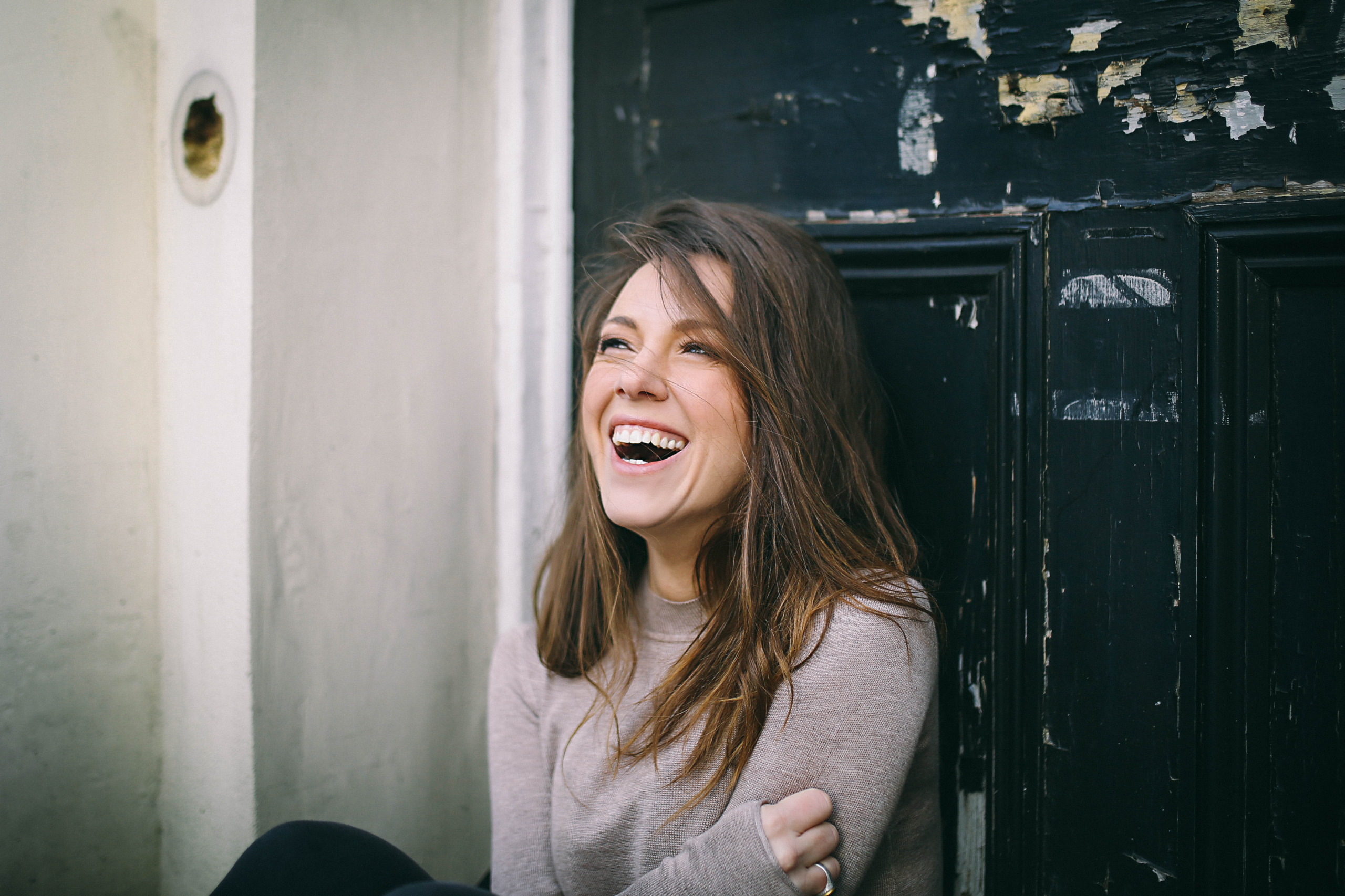
Howells: Piano Quartet | Gurney: Five Elizabethan Songs | Clarke: I’ll bid my heart be still | Songs by Clarke & Novello
Chosen Hill rises above the village of Churchdown in Gloucestershire, and on a clear day commands excellent views of the Malvern Hills. This landscape was of deep significance to Howells, and his close friend Gurney, who used to walk there together before the First World War; when Howells wrote his Piano Quartet in 1916, he inscribed it ‘to the hill at Chosen and Ivor Gurney who knows it.’
Alongside this passionate, bittersweet quartet are set Gurney’s Five Elizabethan Songs – including his best-known song, Sleep – performed by star soprano Mary Bevan MBE, along with miniatures by Rebecca Clarke and Ivor Novello.
“Mary Bevan brought the house down” (The Guardian)
Mary Bevan MBE (soprano) | Martyn Jackson (violin) | Meghan Cassidy (viola) | Tim Lowe (cello) | Libby Burgess (piano)
Late night
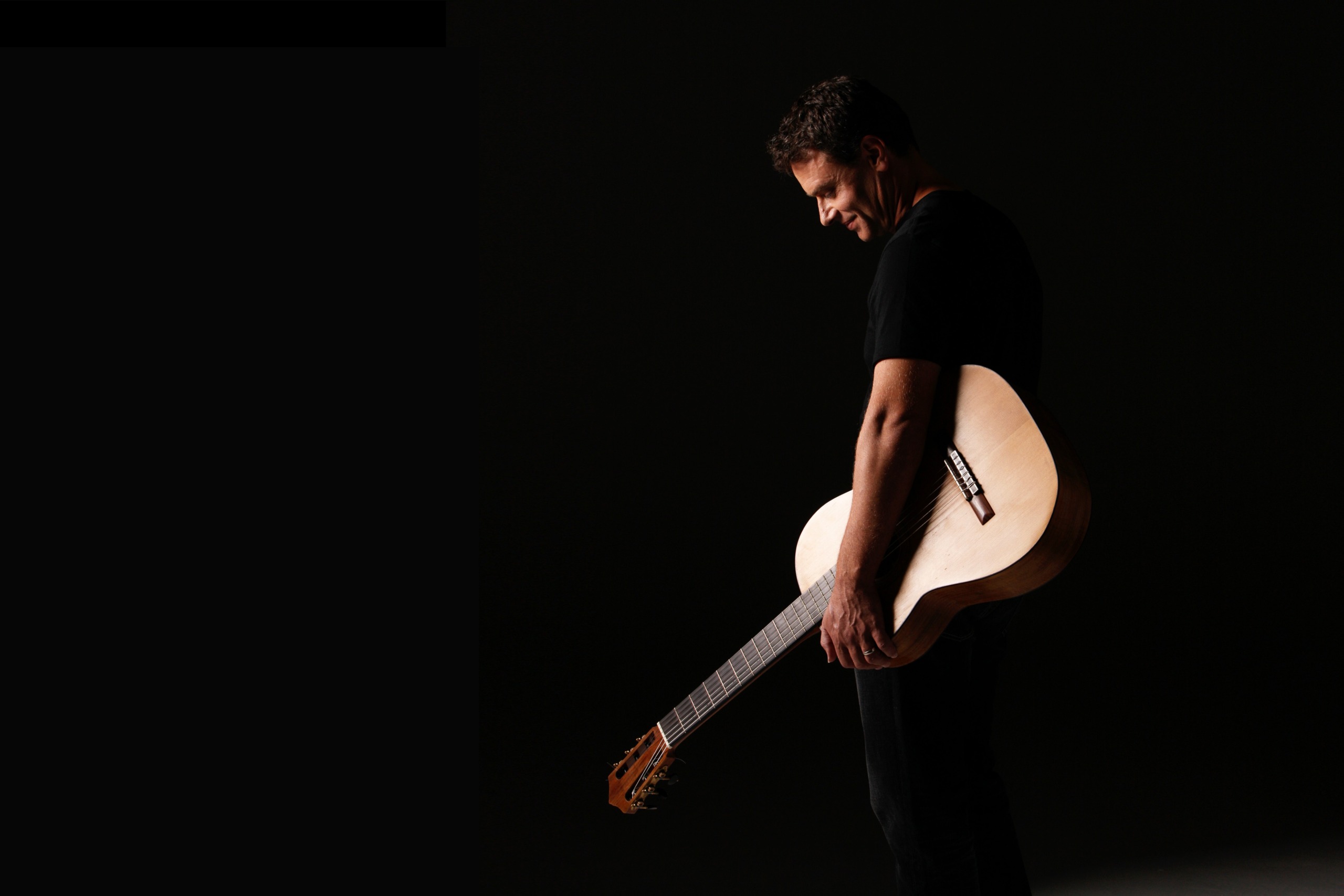
Vivaldi: Concerto in D | Falloni: Felix Tango, Pirotango | Albeniz: Tango, Malagueña (from España) | Boccherini: Introduction and Fandango | Piazzolla: Libertango
Acclaimed duo, classical guitarist Craig Ogden and accordionist Miloš Milivojević, bring an eclectic programme to the Memorial Hall for this late-night performance. Taking us on a journey from Venice to Buenos Aires, dance is at the heart of the matter – with a special place, of course, for Tango!
Both virtuosi of their instruments, with international careers, this compelling duo partnership is a firm favourite with audiences, and we’re delighted to welcome them to Beverley.
Craig Ogden (guitar) | Miloš Milivojević (accordion)
Coffee concert
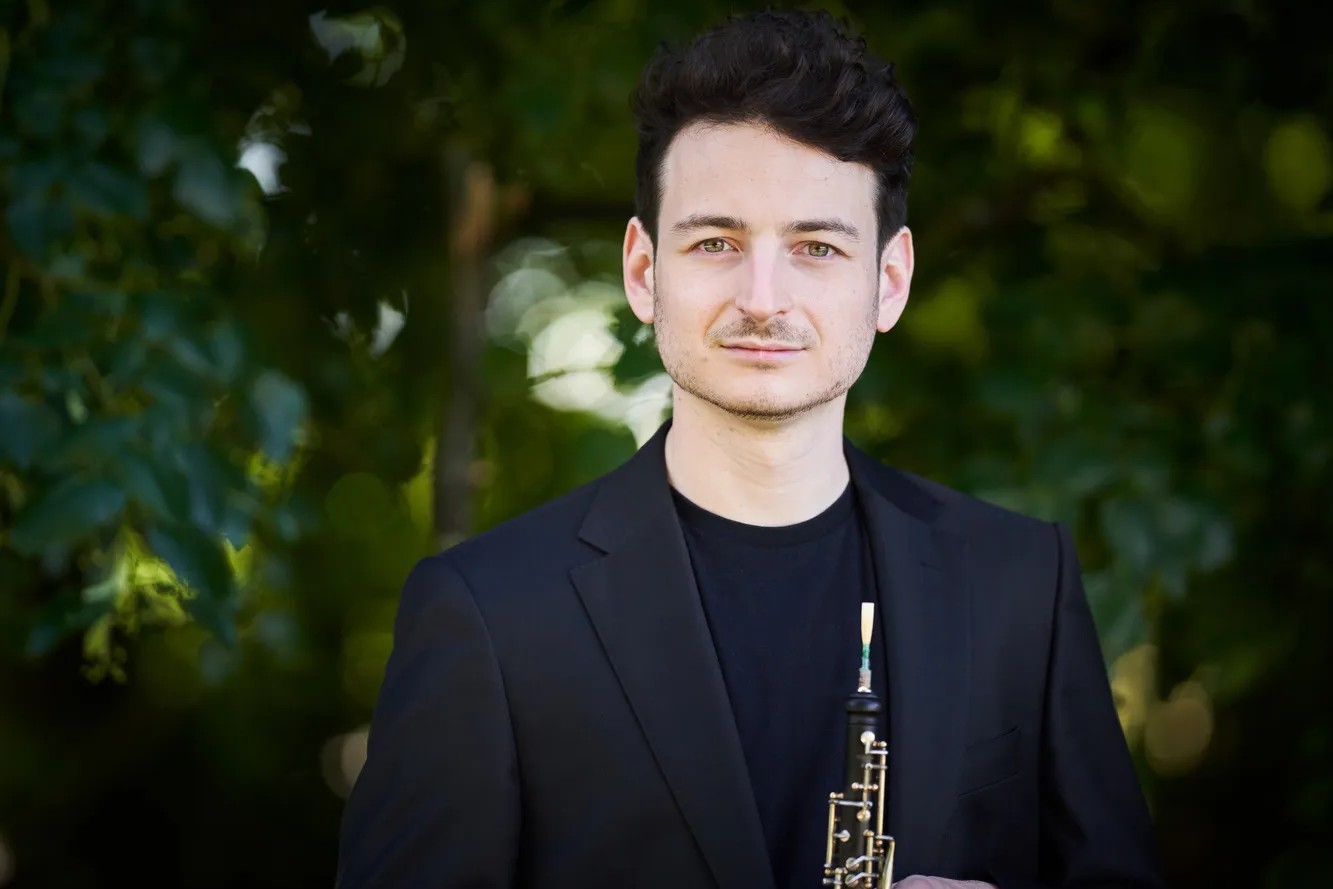
Prokofiev: Five Melodies | Poulenc: Oboe sonata | Berio: Sequenza VII | Prokofiev: Cello sonata
With its sorrowful Elégie and Déploration, it’s easy to see the imminent end of Poulenc’s life foreshadowed in his Oboe Sonata – and yet the boisterous Scherzo and sunny melodic lines feel contentedly alive. The composer’s last work, it is dedicated to the memory of his friend and bridge-playing partner Sergei Prokofiev, whose music bookends the concert.
That composer’s Five Melodies for violin and piano are soulful, almost schmaltzy, beautifully-formed songs-without-words, originally written as vocalises for the Ukrainian soprano Nina Koshetz. More than two decades later, Prokofiev was at odds with the Soviet authorities: writing to fit the political instructions of the day, he composed a Cello Sonata of apparent simplicity, and almost folklorically vivid storytelling – but with real depth of expression.
Completing the programme is Berio’s extraordinary Sequenza for solo oboe, in honour of that composer’s centenary.
“Panache and brilliance” (International Record Review, on Jonathan Aasgaard)
Olivier Stankiewicz (oboe) | Martyn Jackson (violin) | Jonathan Aasgaard (cello) | Libby Burgess (piano)
Schubert Triptych
Schubert: Sonata in A D959
Celebrated pianist Martin Roscoe continues his three-day journey through the late piano sonatas of Schubert, with the beautiful Sonata in A D959.
Martin Roscoe (piano)
Rush-hour concert
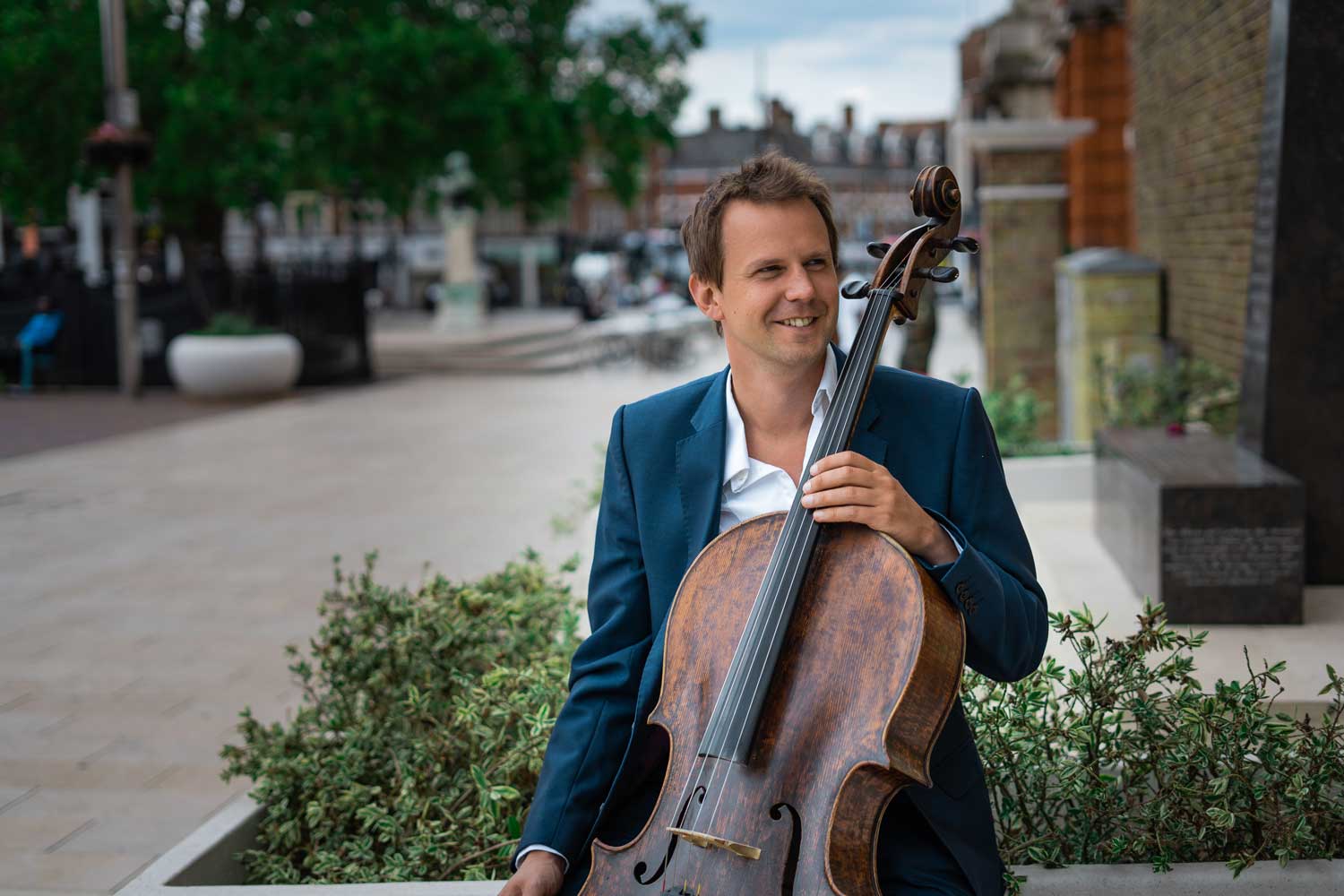
Brahms: Cello Sonata No 2 in F | Brahms: Four Serious Songs | Vaughan Williams: Love bade me welcome
Two cornerstone works by Brahms show opposing sides of this great figure’s writing. Composed right at the end of his life, in the throes of grief and already living with the cancer which eventually killed him, Brahms’ dark, powerful Four Serious Songs try to make sense of faith, loss and hope. A decade earlier, on a mountainside creative retreat, he was writing music of vigour and turbulence – and, in places, exquisite optimism: amongst the output from this productive summer break was his Cello Sonata in F.
Bass-baritone Ashley Riches and festival favourite, cellist Tim Lowe, join with Artistic Libby Burgess for this richly romantic afternoon performance, which concludes with Vaughan Williams’ serene Love bade me welcome.
“Riches’ bass-baritone a teak-hued depth and fullness” (The Arts Desk)
Ashley Riches (bass-baritone) | Tim Lowe (cello) | Libby Burgess (piano)
Evening concert
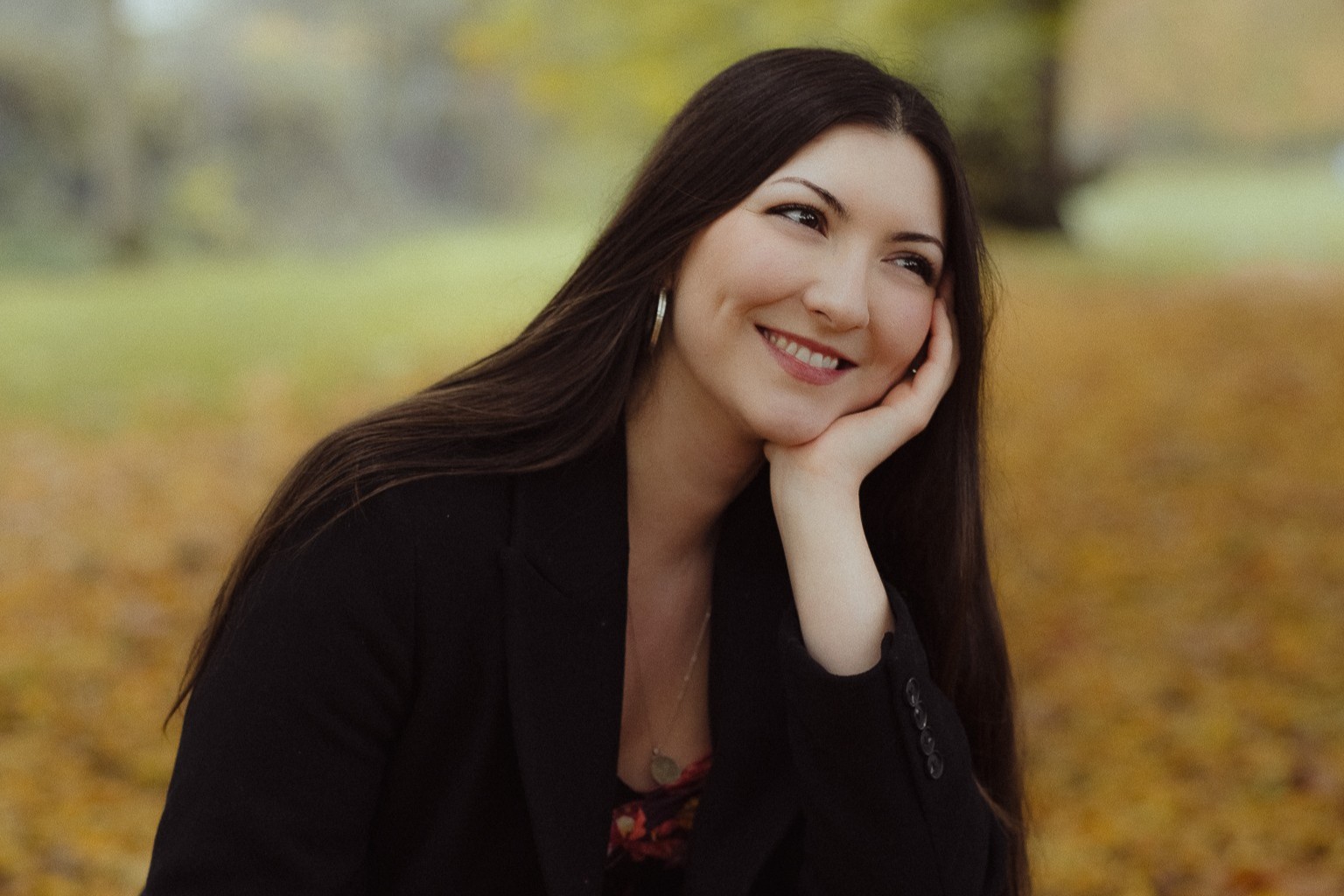
Poulenc: Clarinet Sonata | Poulenc: Banalités | Milhaud: Suite for violin, clarinet and piano | Music by Boulanger, Satie, Honegger, Tailleferre | Cabaret songs by Mollon, Weill, Britten and Sondheim
1920s Paris sets the backdrop for this evening’s concert. At its heart are the gaggle of anti-establishment creatives, Les Six, the bright young things under the influence of Cocteau and Satie. The most well-known of them is Poulenc, whose Banalités and Clarinet Sonata show his multiple sides – the flippant, the sorrowful, the tongue-in-cheek, the manic, the serene. Lesser-known gems from Tailleferre, Auric, and Milhaud jostle for place with popular classics such as Satie’s Gymnopedie No 1.
The 1920s was of course the era of the cabaret: a cabaret club was founded in Paris named Le bœuf sur le toit (The Ox on the Roof) after Milhaud’s ballet of the same name. After-hours sessions at Le bœuf became so infamous that faire un bœuf (‘to do an Ox’) remains the French for ‘jamming’ today. In homage to this legacy, we explore the world of cabaret from Britten to Weill to Sondheim, and featuring the tune made famous all over again by last year’s Paris Olympics: Hymne a l’amour.
Emma Roberts (mezzo-soprano) | Julian Bliss (clarinet) | Fiona Colville (flute) | Martyn Jackson (violin) | Libby Burgess (piano)
Brunch drinks
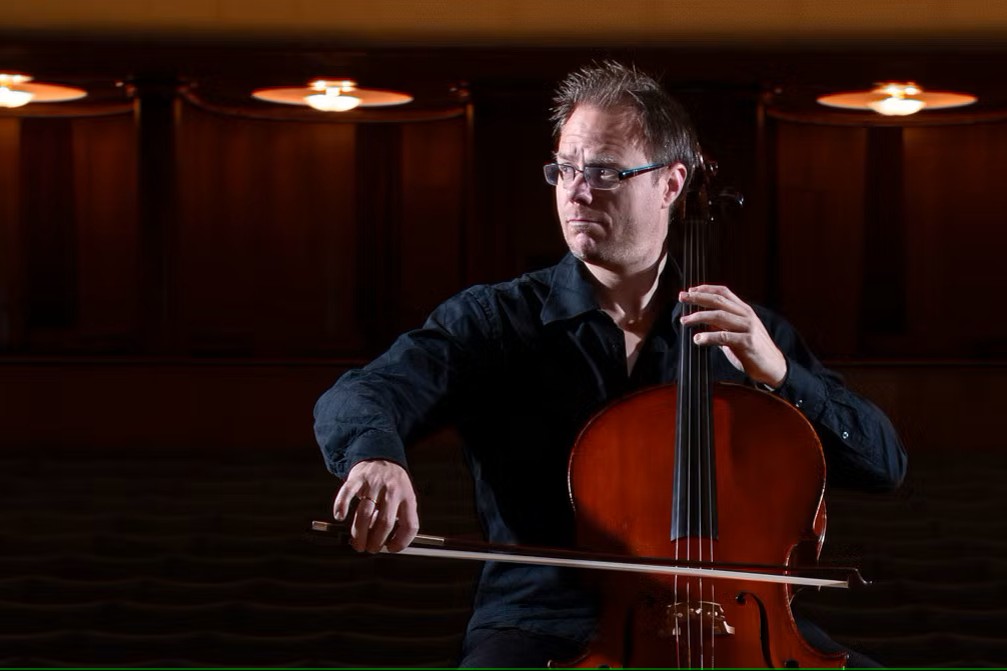
After last year’s popular festival event at the Monks Walk, we return for an unplugged Sunday brunchtime set with members of our festival string team. A quirky, intimate venue, Upstairs at the Monks is a Beverley institution. Buy a drink from Gill and the team, make your way to the medieval upstairs room, and enjoy a pic’n’mix of treats from our A-list string team.
Please note: owing to the historic nature of this first-floor venue, there is no step-free access.
Schubert Triptych
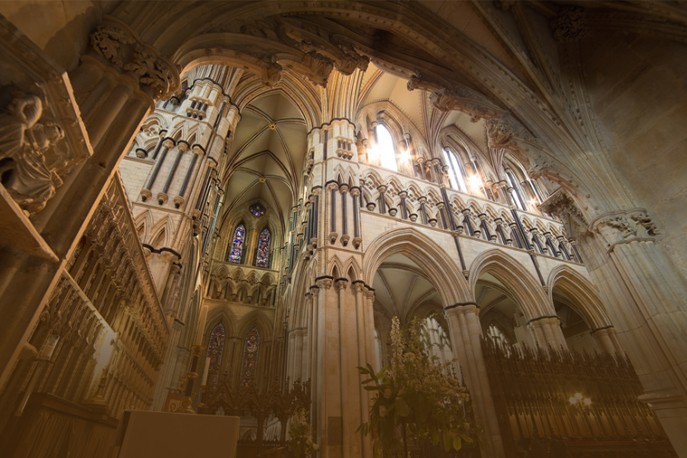
Schubert: Sonata in Bb D960
The last of Martin Roscoe’s three concerts across the festival, surveying the late piano sonatas of Schubert, takes place in the awe-inspiring setting of the Minster. Written shortly before Schubert’s early death, this is music of extraordinary profundity – perhaps a meditation on life and what lies beyond, in turn sublime, fearful and defiant – and always spun through with stunning melody.
Martin Roscoe (piano)
Rush-hour concert
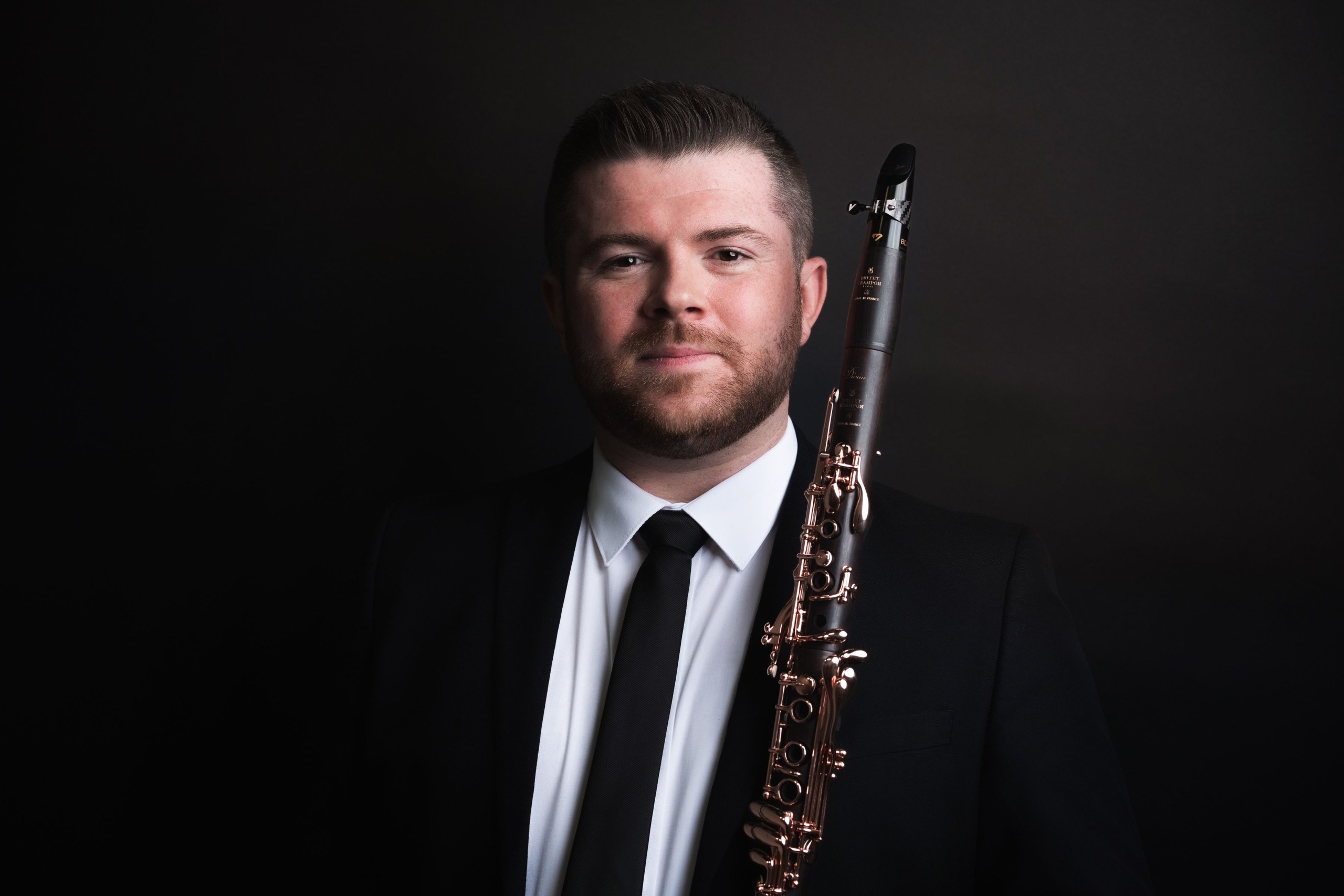
C Schumann: Romances | R Schumann: Abendlied, Stille Tränen | Olah: Sonata for solo clarinet | Debussy: Première rhapsodie | Horovitz: Sonatina
Regularly feted as one of the world’s greatest living clarinettists, Julian Bliss makes a very welcome return to Beverley this year, and joins Artistic Director Libby Burgess for the last in our series of Spotlight recitals.
Julian’s own transcriptions of luscious songs and romances by both Clara and Robert Schumann – whose friendship with Brahms inspired our name, ‘new paths’ – are offset by the fireworks of the unaccompanied sonata by 20th-century Romanian composer, Tiberiu Olah. Two cornerstones of the duo repertoire close the programme: Debussy’s shimmering Première rhapsodie, and the jaunty, jazz-influenced Sonatina by Horovitz.
Julian Bliss (clarinet) | Libby Burgess (piano)
Evening concert
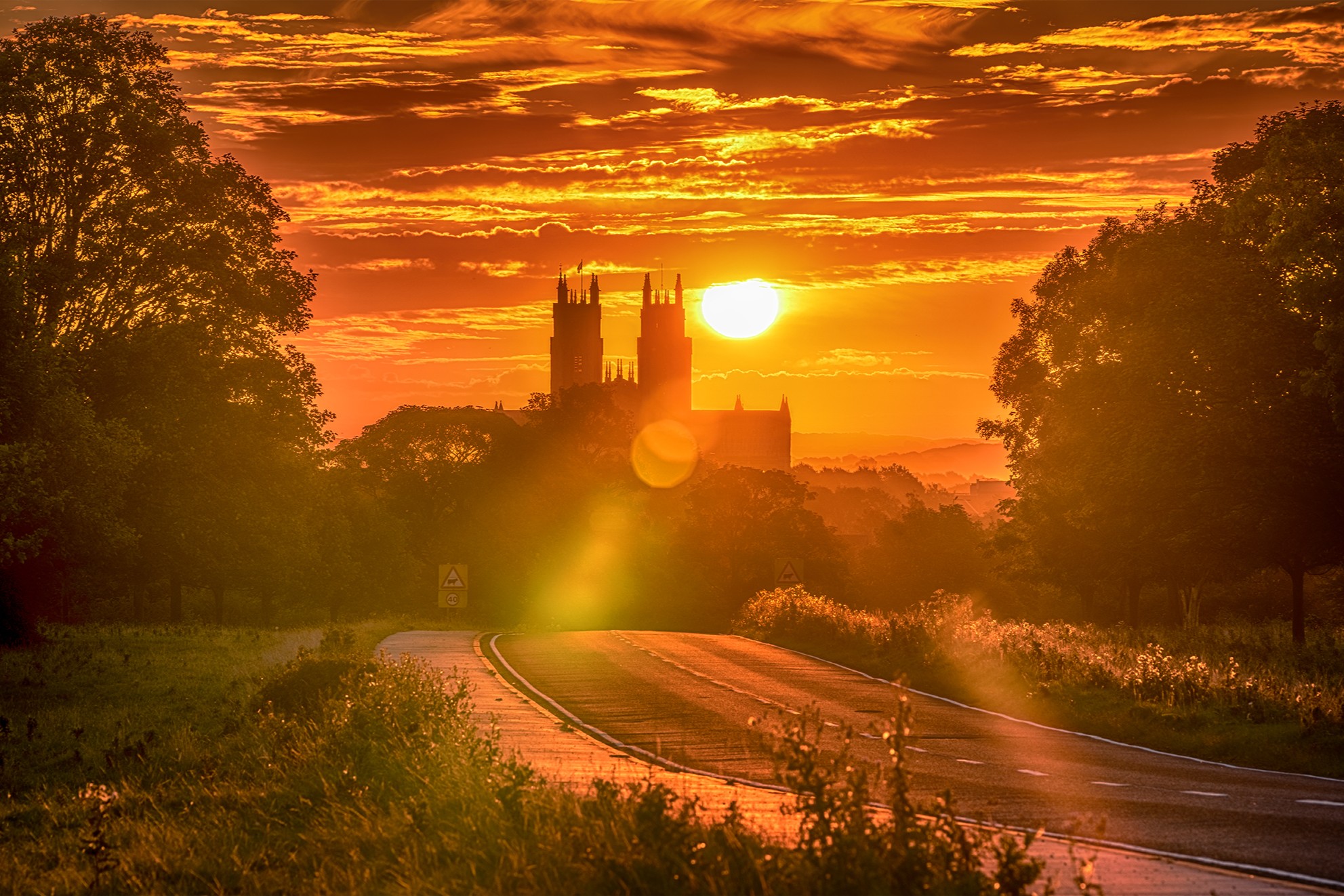
Coleridge-Taylor: Clarinet Quintet | Respighi: Il Tramonto | Mozart: Parto, parto, ma tu, ben mio | Trad. (arr. Danish Quartet): Woodworks
As a pioneering black British composer in the early 20th century Samuel Coleridge-Taylor faced prejudice throughout his life, but his music is rightly being recognised in his 150th anniversary year for its beauty and depth. A fiery work, rich in lyricism, the Clarinet Quintet – tonight starring Julian Bliss – was described by Stanford as ‘the most remarkable thing in the younger generation that I have seen.’
Respighi’s expansive setting of Percy Bysshe Shelley’s poem Il Tramonto – the sunset – is a tone poem in miniature; an intense, operatic depiction of a young couple parted too soon by death. Ascending star Emma Roberts also features in Mozart’s showstopping aria from Clemenza di Tito – Parto, parto, ma tu ben mio – and the festival draws to a close with the Danish Quartet’s exuberant modern versions of traditional Danish folksongs, Woodworks.
Emma Roberts (mezzo-soprano) | Julian Bliss (clarinet) | Jamie Campbell (violin) | Martyn Jackson (violin) | Jane Atkins (viola) | Meghan Cassidy (viola) | Jonathan Aasgaard (cello) | Tim Lowe (cello)